
Our partners
The interdisciplinary consortium driving 2AID
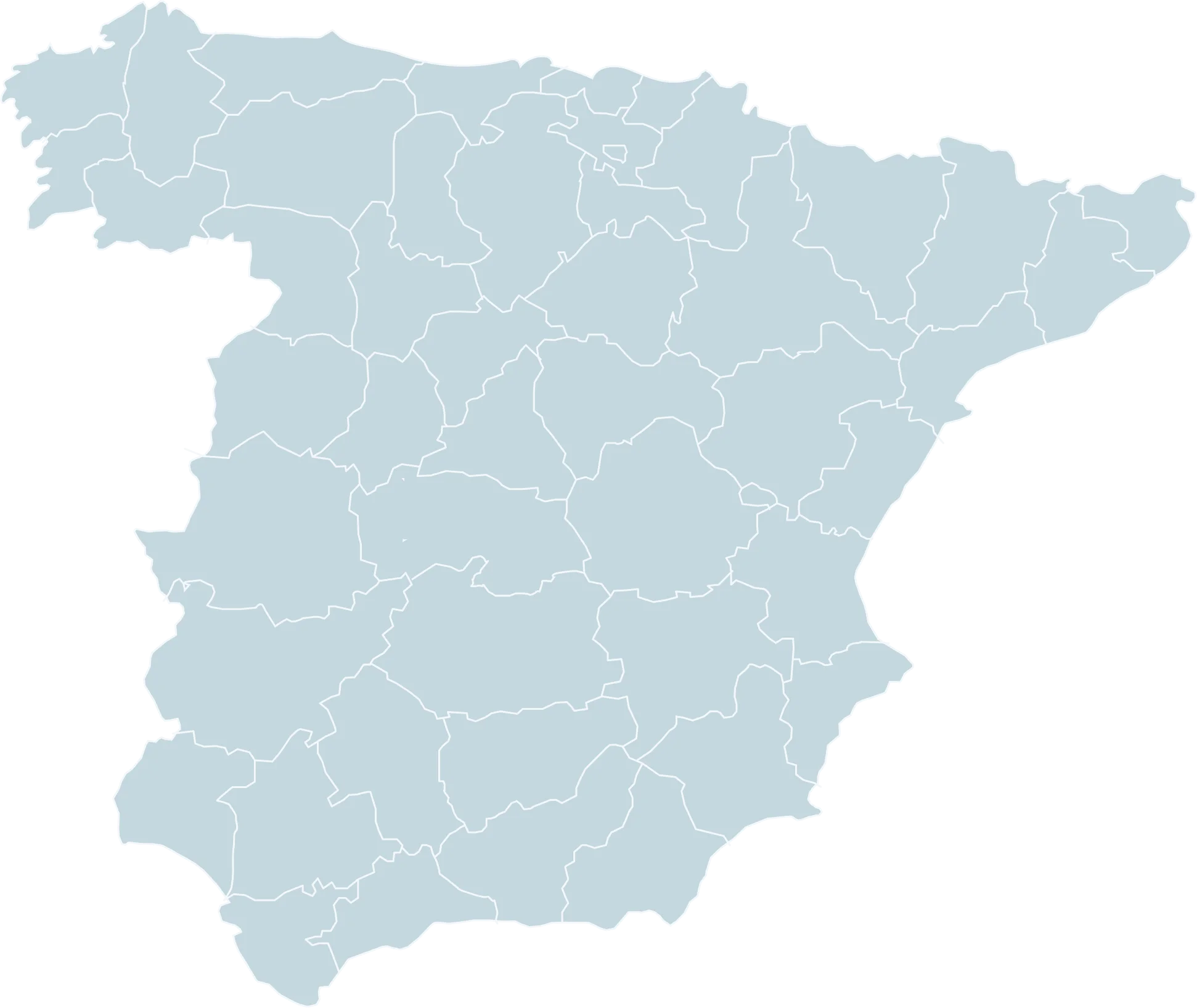
Tarragona
Institut Català d’Investigació Química | ICIQ

Universitat Rovira i Virgili | URV
Zaragoza
Instituto de Síntesis Química y Catálisis Homogénea | ISQCH (UNIZAR/CSIC)
Sevilla

Instituto de Investigaciones Químicas | IIQ-CSIC
Granada

Universidad de Granada | UGR
Meet our experts
-
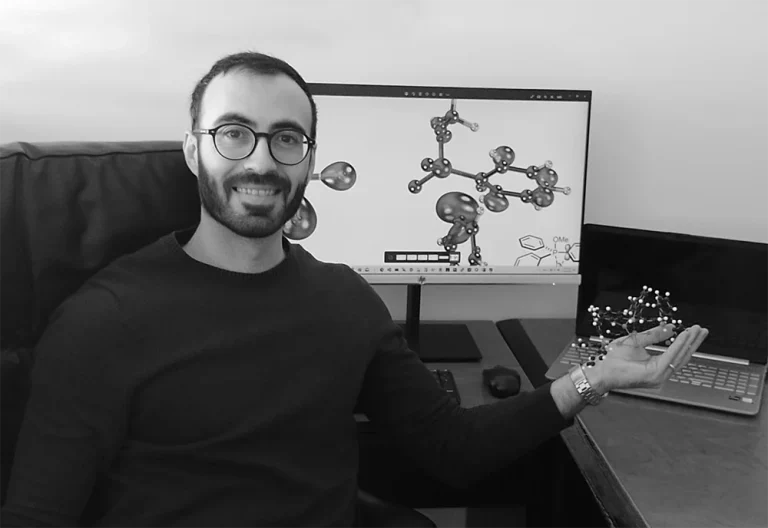 SP1 | Brain
Dr. Juan Vicente Alegre-Requena
ISQCH (CSIC-UNIZAR)
-
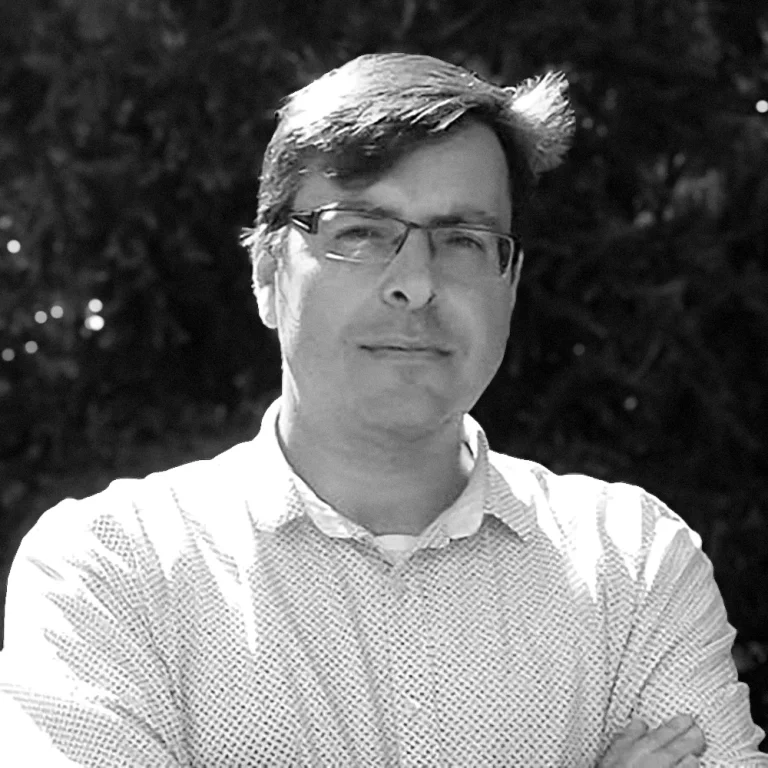 SP2 | Materials
Prof. Juan Manuel Cuerva
UGR
-
 SP2 | Materials
Prof. Delia Miguel
UGR
-
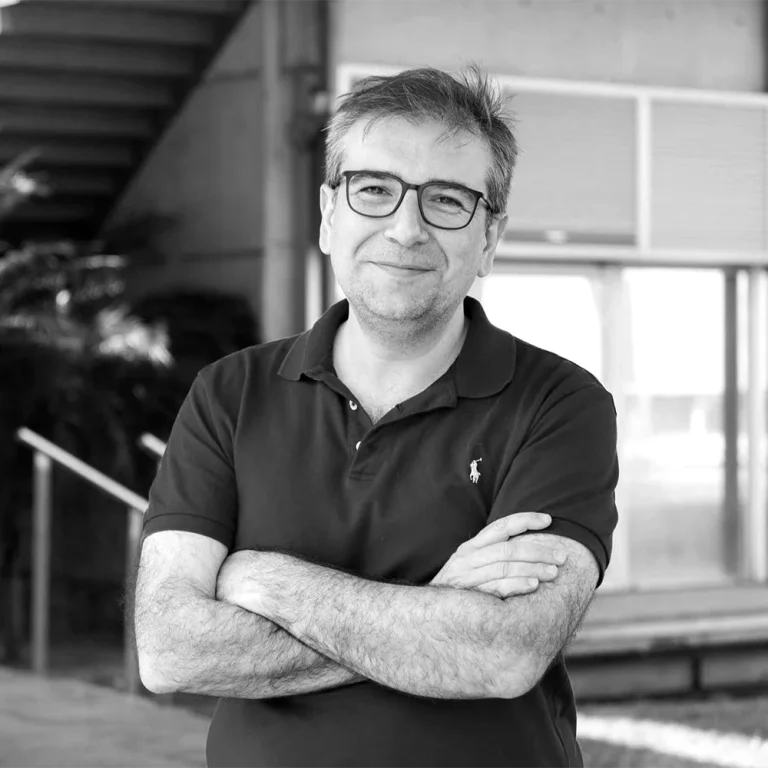 SP3 | Robotics
Prof. Julio Lloret Fillol
ICIQ
-
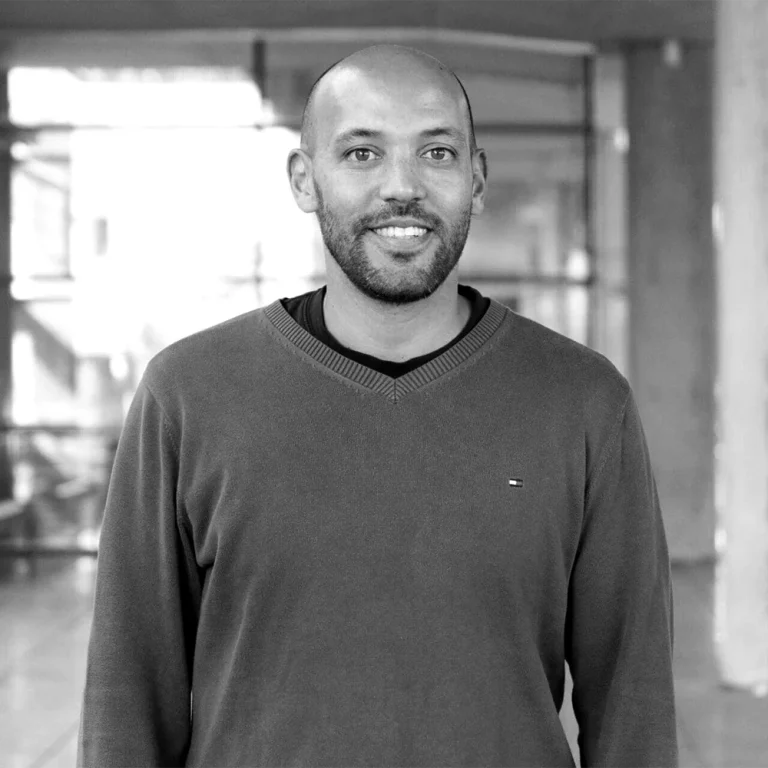 SP4 | Polymers
Dr. José Augusto Berrocal
ICIQ
-
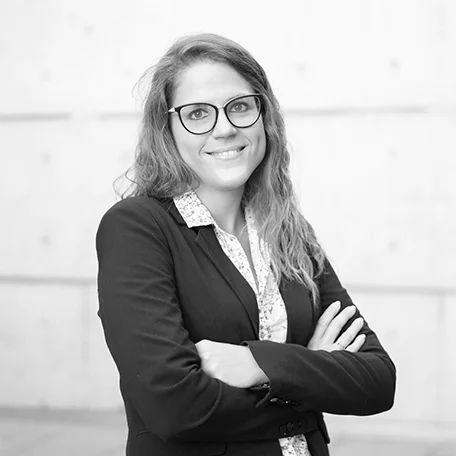 SP4 | Polymers
Dra. Carla Casadevall
ICIQ-URV
-
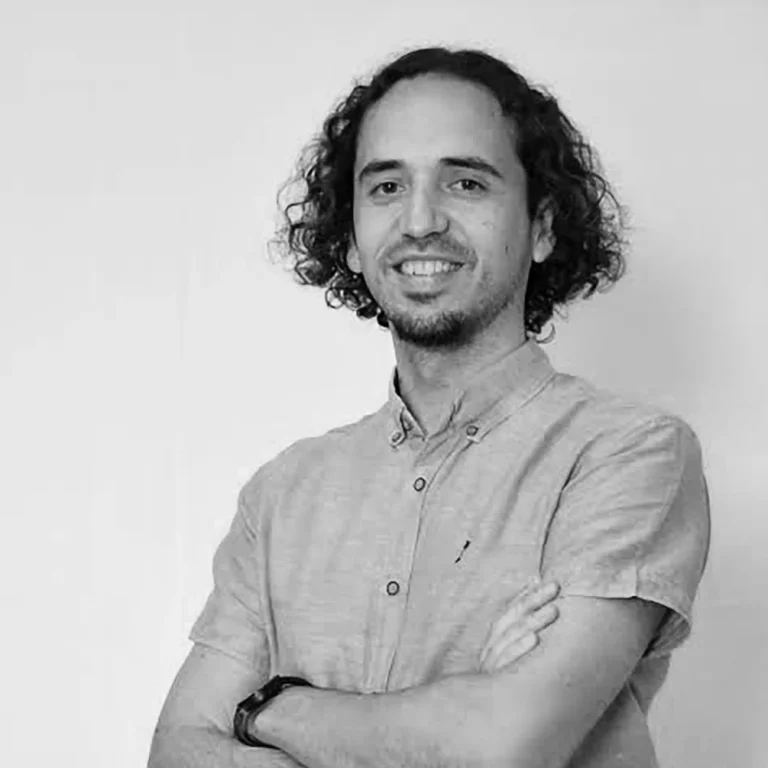 SP5 | CO₂ Capture
Dr. Jesús Campos Manzano
IIQ-CSIC
 SP1 | Brain
 SP2 | Materials
 SP3 | Robotics
 SP4 | Polymers
 SP5 | CO₂ Capture
Our structure
2AID is organised into five interconnected subprojects. AI specialists design the “brain”, robotics engineers build the “hands”, and chemists and materials scientists supply the scientific questions worth solving, all feeding back into one another.
SP1 | Brain
Artificial intelligence-guided chemical robotics and high-throughput experimentation
The brains of the operation. This first subproject builds the AI algorithms and systems to steer the automated discovery of catalyst and materials. Thanks to “digital twins”, the team will anticipate the actions of molecules and materials, eventually programming predictive models, ready to decide on next steps. It also develops the protocols to communicate with chemists in the lab, contributing to a collaborative environment between humans and robots. Overall, SP1 aims to accelerate the transition to automated laboratories.
Partners


SP2 | Materials
Generation of new materials guided by AI
With the assistance of AI, this project predicts and proposes new molecules and catalysts. The algorithms are ready to research beyond the state of the art, and even explain the reasoning transparently, towards trustworthy and reproducible reactions. Besides “dreaming” of molecules and materials, SP2 will also define foundation models for computational chemistry, creating useful datasets usable across 2AID and external laboratories.
Partners

SP3 | Robotics
Robotics and Artificial Intelligence for Intensified Synthesis and Experimentation (RAISE)
RAISE builds the next generation of self-driving laboratories, using robotic platforms like AMPER. This project will design and develop miniaturised AI-run reactors, ready to carry out closed-loop experiments with minimal human intervention. Thanks to innovation in automation and catalysis, the platform will produce green hydrogen and clean chemicals, some directly derived from CO2.
Partners

SP4 | Polymers
Artificial Intelligence and High-throughput Experimentation Accelerated Discovery of New Polymeric Materials for Applications in Smart Damage Sensing, Sustainability and Green Energy Production (AHEAD-P)
This project uses AI-accelerated discovery to design smart materials. For example, this project will produce polymers that signal damage before it becomes a big failure, which is useful for sensors and smart detectors, as well as catalytic systems for cleaner conversion in energy solutions. SP4 closes the loop between computation and experimentation to make smart, sustainable materials reach the market much faster.
Partners

SP5 | CO2 Capture
AI-Driven Discovery of Bimetallic Catalysts for CO₂ Capture and Transformation (AIBiCat)
Building on AI-ready dataset of bimetallic catalysts, this project will predict and prioritise the most promising candidates to convert carbon dioxide into chemicals with added value, such as fuels. Thanks to automation and robotics, SP5 will not only design but also test and validates reaction conditions and catalysts through thorough screening processes, all aimed at turning CO₂ into fuels and feedstocks.
Partners


Scientific advisory board
2AID is guided by a Scientific Advisory Board of world-renowned experts in chemistry, artificial intelligence and sustainability, who review our progress and help steer the project towards the most promising solutions.
-
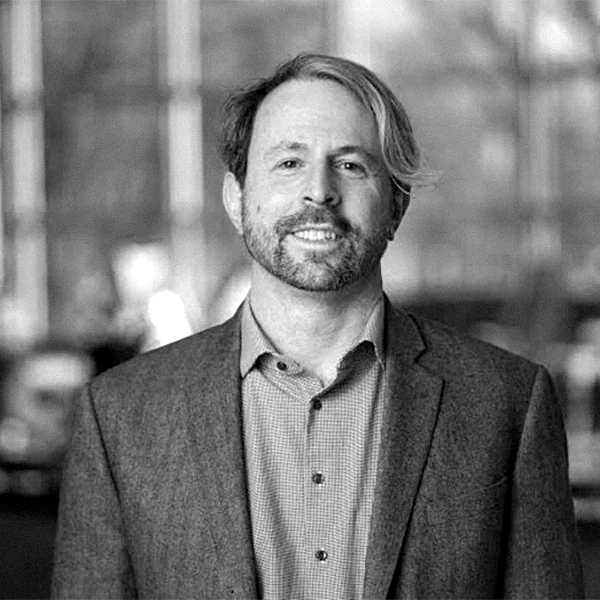
Matthew Sigman
-
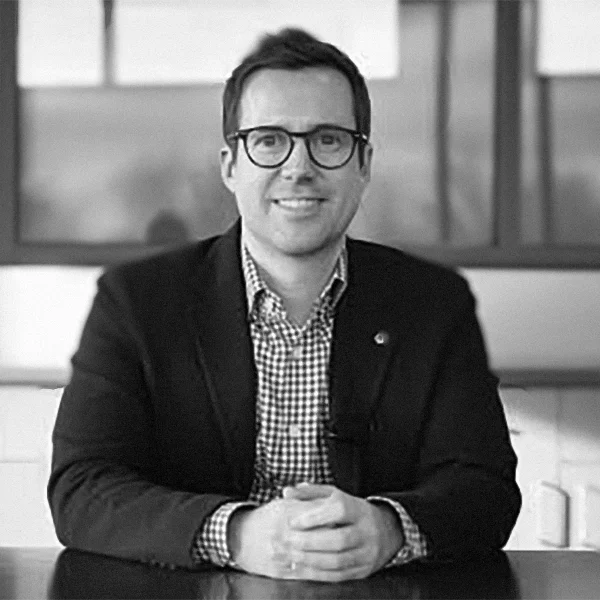
Robert Paton
-
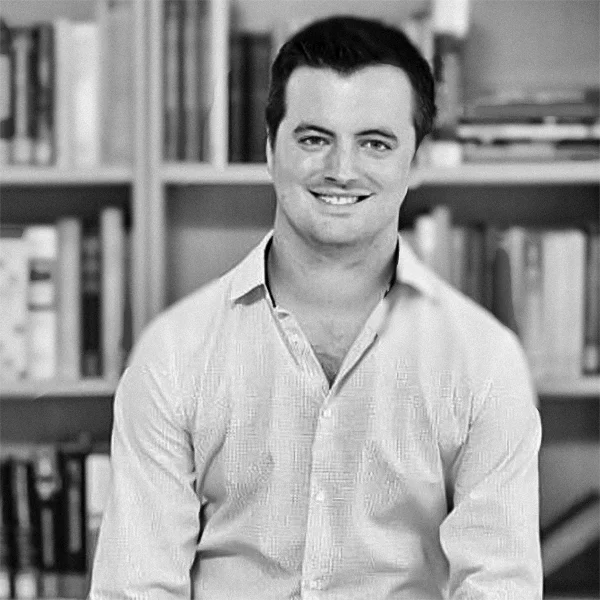
Thijs Stuyver
-
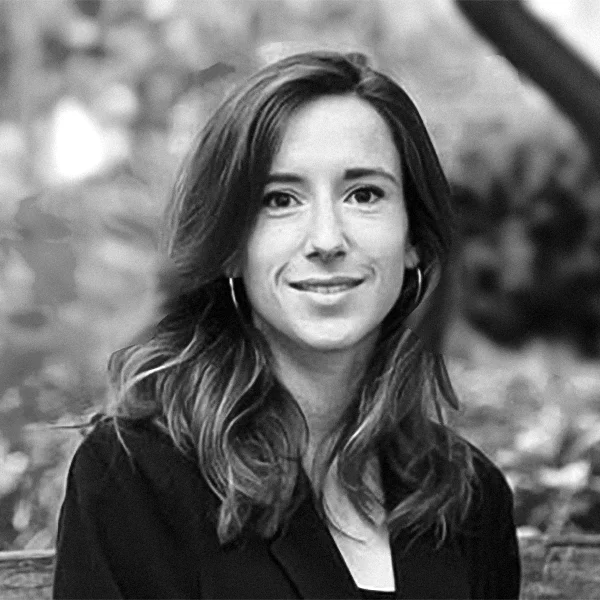
Eugenie Romero